ចង់ប្តូរការងារ ឬ កំពុងស្វែងរកការងារ ផ្វើសារឥឡូវនេះ
A friend of mine found out he had three pending e-challans only when his insurance renewal got stuck. Not a text message. Not a letter. Nothing. Just silence, until a system somewhere else flagged it.
That's the strange thing about e-challans in India the whole point of digitizing traffic fines was supposed to make things more transparent, but for a lot of people it's had the opposite effect. The fine exists the moment a camera catches you, but you might not find out for weeks, if at all.
So let's actually break down what an e-challan is, how to check one properly, and how to pay for it before it becomes a bigger problem than it needs to be.
What exactly is an e-challan?
An e-challan is simply a traffic fine that's issued and recorded electronically through a traffic camera, an e-detection device, or an officer's handheld unit instead of being written on paper. The moment it's issued, it goes into a digital record tied to your vehicle's registration number. No physical ticket required, which is exactly why it's so easy to miss: there's nothing tucked under your wiper blade reminding you.
How do you check e-challan by vehicle number?
This is the part most people get stuck on, mostly because they assume it needs more information than it actually does.
All you need is your vehicle's registration number the number plate. Not the RC number, not the chassis number, no login required. You enter the plate exactly as it appears (state code, district code, series, number), and the system checks it against the official challan database in real time.
If you're doing this for the first time, here's the step-by-step:
Open a challan-check tool (I use MyMotor's check challan tool, but the official state eChallan portals work too, just slower and more login-heavy).
Enter the vehicle number plate.
Review anything that comes back offense type, date, location, amount, and status (pending or paid).
If a plate has a typo, you'll get "no record found" rather than a false positive - worth double-checking before you assume you're clean.
You can also check by challan number directly if you already received one via SMS, but honestly, check challan by vehicle number is more useful, because it surfaces everything pending, including ones you never got notified about.
Which challan app should you actually use?
There's no shortage of apps claiming to do this. What actually matters:
Does it pull directly from the official record, or does it scrape/cache data (which can be stale)?
Can you check both car and bike challans in the same app?
Does it show pending status and let you pay, or just show status and dump you elsewhere?
I ended up using MyMotor mainly because it does the challan check alongside RC, insurance, and PUC status.
Checking bike challans specifically
Bike challans (no helmet, triple-riding, wrong-side parking) tend to get missed more than car challans, mostly because two-wheeler owners just check less often. The process is identical, but the habit matters more here small challans pile up quietly and you don't notice until you're renewing insurance or selling the bike, at which point they all surface at once.
What happens after you find a pending challan?
First: confirm it's real. Fake challan SMS scams exist and usually include a shady payment link - don't click it. Check independently on a proper portal or app instead.
Once confirmed, pay it. Most tools accept UPI, cards, and net banking. If you leave it too long, some states escalate unpaid challans into a court challan, which is a genuinely bigger hassle than the original fine. And practically - an unpaid challan can quietly block your insurance renewal or RC transfer down the line, which is usually how people find out about it in the first place, like my friend did.
e-Challan vs the old paper challan
The old system meant an officer wrote you a physical ticket on the spot - you knew immediately. The e-challan system trades that immediacy for scale (cameras catch far more violations than officers physically can), but the trade off is you might not find out until you go looking, or until something else forces the issue.
Which is really the one takeaway here: check occasionally, even when nothing's telling you to. The system won't always tell you first.
អត្ថបទណែនាំ
ស្វែងរកទីកន្លែងដោយខ្លួនឯងតាមរយៈ Google Map
ដោយ : ភក្តី Talk 4 days ago

How to Check Vehicle Challan Online Using MyMotor
ដោយ : marketing@mymotor.in 5 days ago
MyMotor: A Smarter Way to Manage Your Vehicle Online
ដោយ : marketing@mymotor.in 7 days ago

ទំនាក់ទំនងល្អ និង មាន ប្រសិទ្ធិភាពក្នុងការងារមានភាពសំខាន់ណាស់
ដោយ : ភក្តី Talk 20 days ago

អត្តបទបន្ថែមទៀត
How to Check RC Details Online by Vehicle Number ?
ដោយ : marketing@mymotor.in 2 days ago
Traffic Rules in India: How Technology Is Helping Drivers Stay Compliant
ដោយ : ketki@zoop.energy 4 days ago
How to Check Vehicle Challan Online Using MyMotor
ដោយ : marketing@mymotor.in 5 days ago
MyMotor: A Smarter Way to Manage Your Vehicle Online
ដោយ : marketing@mymotor.in 7 days ago
ទំនាក់ទំនងល្អ និង មាន ប្រសិទ្ធិភាពក្នុងការងារមានភាពសំខាន់ណាស់
ដោយ : ភក្តី Talk 20 days ago
ហេតុអ្វីបានជាយើងត្រូវបំបែកពេលវេលាផ្ទាល់ខ្លួននិងការងារ។? Why we need to "Separate" Work and Life
ដោយ : ភក្តី Talk 1 month ago
អត្ថបទថ្មីៗទាក់ទងបទពិសោធន៍ផ្សេងៗ
ម៉ាស៊ីនបោះពុម្ព Print អត់ចេញក្រដាស - Can’t print: Troubleshooting steps
ដោយ : Pich Yorn 3 months ago
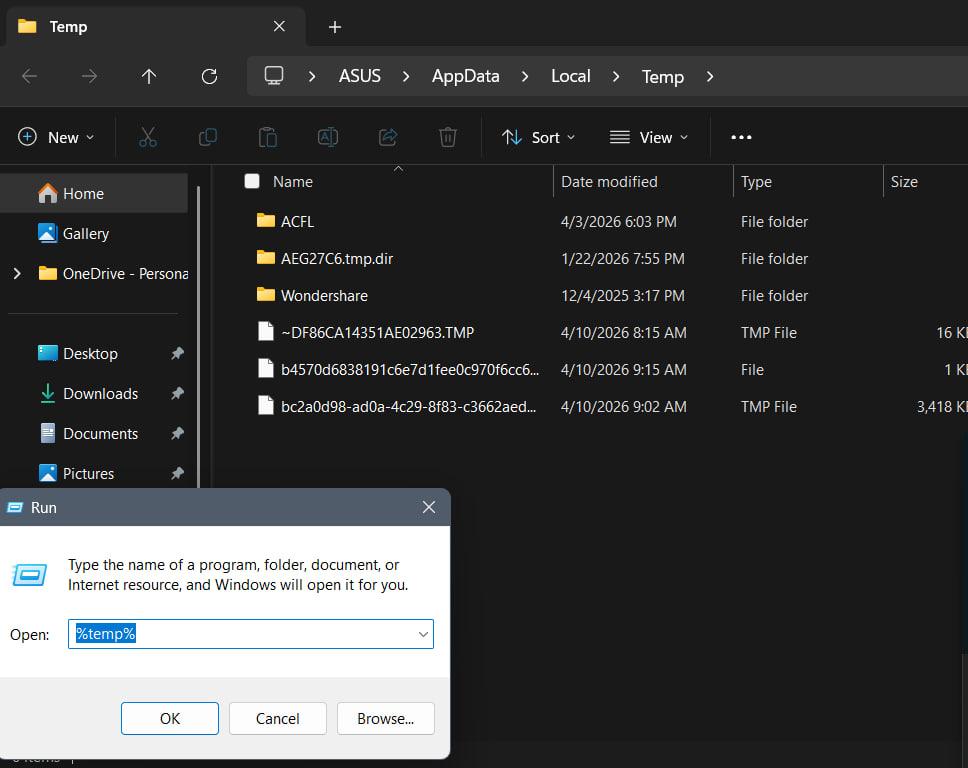
របៀបសំអាត file មិនសំខាន់ៗនៅក្នុង computer - Clean computer temp
ដោយ : Pich Yorn 4 months ago
IT-Support ,Network Computer Management
ដោយ : ស៊ីថា ទិត្យ 5 months ago
Network , Switch , Router , Wifi Configuration ... Backup Share ,Task of network system