ចង់ប្តូរការងារ ឬ កំពុងស្វែងរកការងារ ផ្វើសារឥឡូវនេះ
India’s automotive industry is undergoing rapid change, with more digital ownership of vehicles than ever before. From challan checking, insurance and EV charging to connected-car features, it can be easier for drivers to manage their vehicles. Manufacturers are also expanding their portfolios to include electric vehicles, hybrids, CNG and even newer petrol technologies.
But why are manufacturers considering so many powertrains?
EV demand is rising
Electric vehicles are no longer a niche product. Manufacturers are already offering electric variants of existing models as well as dedicated EVs.
This is important for automakers as they prepare for a future in which a significant portion of new car sales may be electric vehicles. Electric vehicles provide a pathway for manufacturers to adapt to evolving emission standards as well as meet the need of cost-conscious buyers. However, EV adoption cannot be taken for granted as buyers weigh their options between powertrains based on charging availability, purchase price, driving patterns and home-charging accessibility, among other factors.
Hybrids provide an alternative
Hybrids offer the balance of an internal-combustion engine and electrification, giving buyers the benefits of both without tying them to fixed charging requirements.
For buyers who seek efficiency but also have long-haul driving requirements, a hybrid could be the preferred choice.
CNG vehicles still have their place
India’s automotive transition is not exclusively focused on EVs and hybrids. CNG vehicles still have relevance, especially for buyers who have high annual mileage and seek to reduce their running costs.
This is one reason why manufacturers are not rushing to transition their entire portfolio to electric vehicles – they continue to offer buyers a range of powertrains that are relevant to their needs.
Technology is playing a bigger role
While manufacturers are competing on powertrains, the competition is also shifting to technology.
Battery management, regenerative braking, connected-car technology, driver-assistance systems and more efficient engines will become critical differentiators. Even vehicle ownership is entering the digital space, with connected-car services helping buyers with challan, insurance and even locating nearby EV charging stations.
What does it mean for buyers?
The evolution of powertrains means that buyers have more choice than ever before, but it also complicates their decision-making. A buyer who has limited driving requirements and home-charging access may have different considerations from someone with frequent long-haul commuting needs.
Before purchasing, it is important to think through factors such as:
– Daily driving distance
– Availability of EV charging
– Home-charging access
– Fuel and electricity costs
– Servicing costs
– Insurance costs
– Ownership period
– Long-haul driving needs
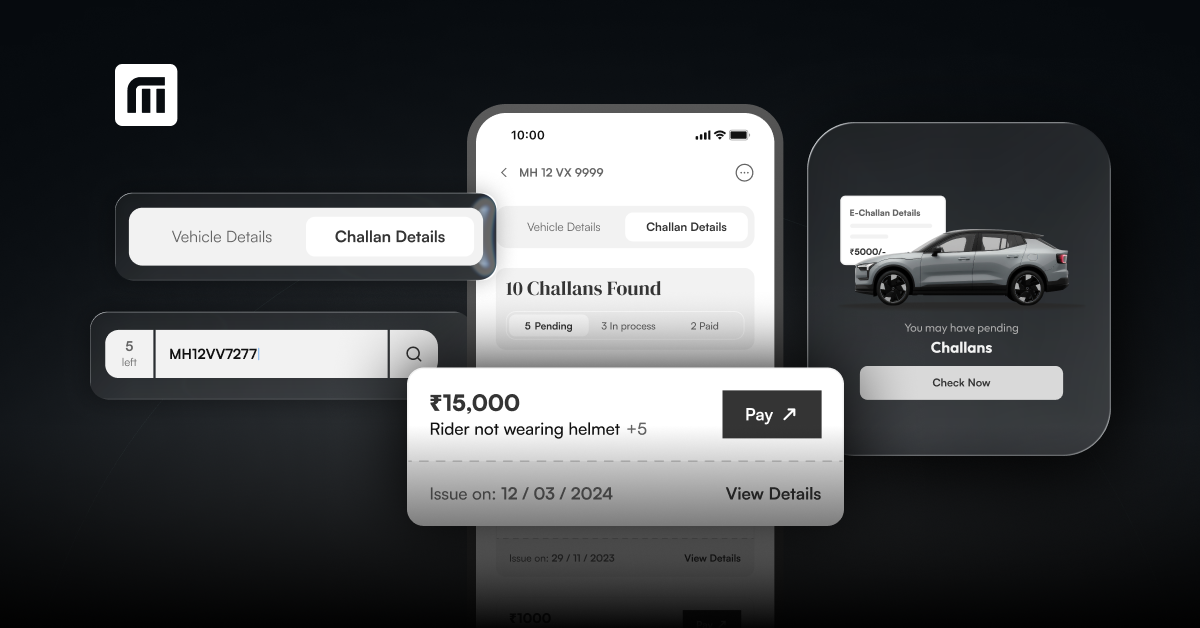
Such ownership considerations can be streamlined with digital vehicle-management services. MyMotor, for example, offers aggregation of services such as challan checking, vehicle documents, insurance and FASTag, while its EV charging option can help locate nearby charging stations. MyMotor helps drivers find EV charging stations and access vehicle services such as MyMotor challan check app. Read its practical vehicle ownership guide on Substack and see the Reddit discussion about number-plate-based challan checking on Reddit.
The biggest change for buyers, however, is that India’s automotive market is no longer set on a single powertrain future. Manufacturers are developing a range of powertrains because Indian buyers have diverse needs and varying infrastructure access. For car buyers, the bigger question then becomes not “Which powertrain is the future?” but “Which powertrain is right for me?”
អត្ថបទណែនាំ
Mobile App Penetration Testing
ដោយ : fringe963@gmail.com 20 hours ago
Vehicle RC, Challan, Insurance & PUC Check Online in India: The Complete 2026 Guide
ដោយ : ketki@zoop.energy 7 days ago

អត្ថបទថ្មីៗទាក់ទងបទពិសោធន៍ផ្សេងៗ
ដោយ : ketki@zoop.energy 1 day ago
ម៉ាស៊ីនបោះពុម្ព Print អត់ចេញក្រដាស - Can’t print: Troubleshooting steps
ដោយ : Pich Yorn 5 months ago
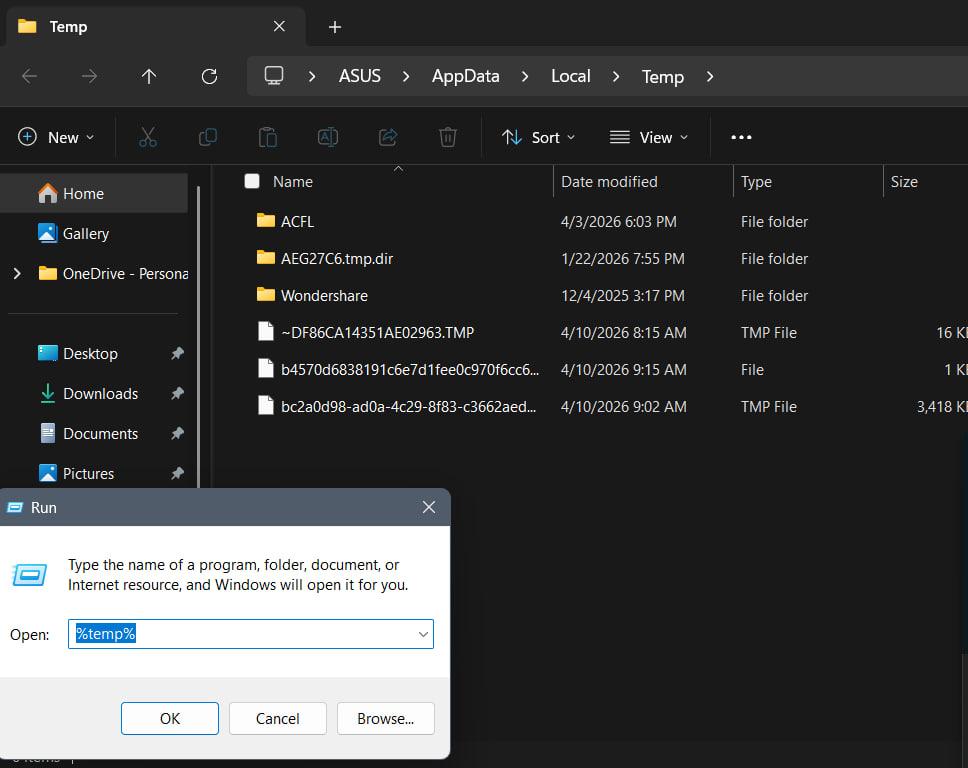
របៀបសំអាត file មិនសំខាន់ៗនៅក្នុង computer - Clean computer temp
ដោយ : Pich Yorn 5 months ago