ចង់ប្តូរការងារ ឬ កំពុងស្វែងរកការងារ ផ្វើសារឥឡូវនេះ
When you buy a used car, you typically inspect the paintwork, tyres, engine performance, service book and take the vehicle for a test drive. One of the most common tasks that people forget to do is checking the car's digital and registration records. Before you pay the seller, spend another five to ten minutes checking the vehicle's records. This can help you identify issues that are impossible to spot during a physical inspection.
1. Check the RC Details
First, check the Registration Certificate (RC). Make sure that the registration number, vehicle model, fuel type and other details match the car and the documents provided by the seller. You should also check whether the vehicle has any registration-related issue or outstanding financing information that could affect the ownership transfer. A useful resource on this topic is MyMotor's five-minute used-vehicle check, which explains why checking a vehicle's records before paying the seller can matter.
2. Do a Quick Challan Check
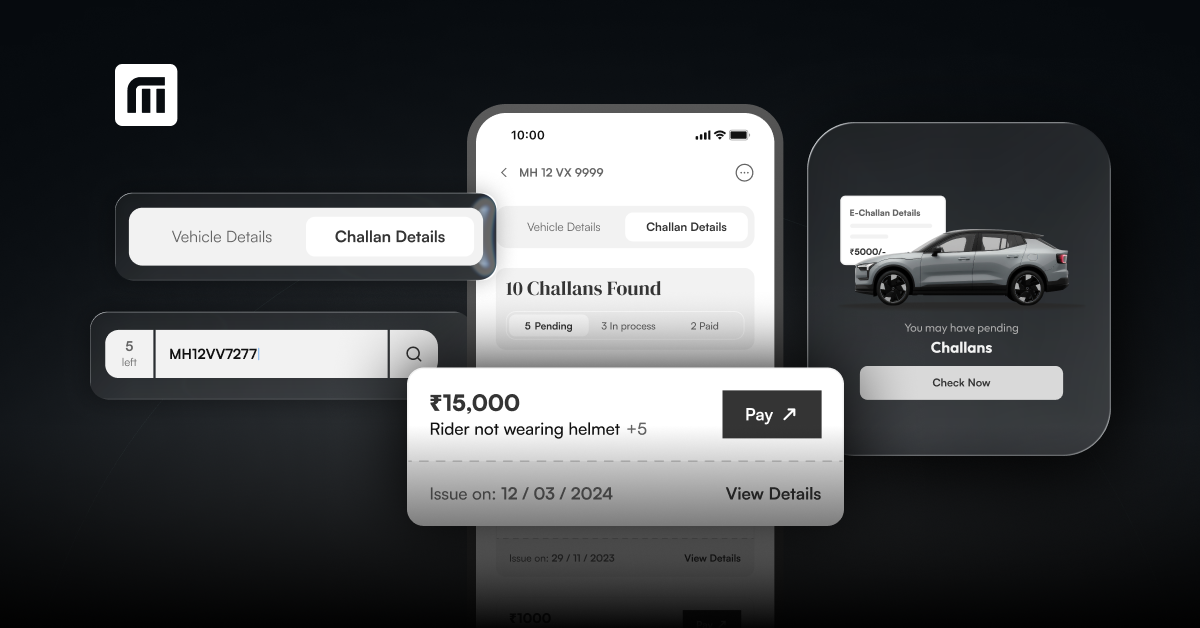
An outstanding e-challan can easily be missed during a physical inspection. Use the vehicle registration number to check whether any traffic fines are linked to the vehicle. Check the challan status, violation details, date and amount and clarify with the seller who will settle any outstanding fine before the vehicle is transferred. You can use MyMotor for challan checking and review the available vehicle-related information before completing the purchase.
This is particularly useful because a Reddit discussion on where to check challan online shows that vehicle owners specifically look for ways to check challans using the number plate.
3. Check Insurance Validity
Avoid relying only on the seller's statement that the insurance is active. Check the policy details yourself and make sure that the registration number, vehicle details and policy information correspond with the car you're buying. Also check the expiry date and understand whether the policy needs to be transferred or renewed after the purchase.
4. Check the PUC
A valid Pollution Under Control (PUC) certificate is another basic document to verify. Compare the vehicle details on the PUC certificate with the actual car and check its validity before completing the transaction.
5. Check Ownership and Vehicle History
Finally, compare the vehicle's registration history with what the seller has told you. If something doesn't match such as ownership details, registration information or the vehicle's history ask questions before transferring the money.
Why These Checks Matter
A clean exterior doesn't necessarily mean that a vehicle has a clean record. The car may look excellent while its paperwork tells a different story. That's why a used-car inspection should include both a physical examination and a digital record check. If you are researching other aspects of vehicle ownership, automotive websites such as Autosy.in cover cars, bikes, EVs, comparisons and ownership-related topics. For EV buyers, questions can be different. Range, charging availability and battery usage become important factors. For example, this EV range and ownership discussion on Themler covers the broader question of what apps and tools an EV owner may need.
You can also read MyMotor's practical guide on why an e-challan can go unnoticed once the Medium article is available at a working URL.
A Five-Minute Habit Before Buying
Before paying for a used car or bike, do a quick check on:
These checks don't replace a professional mechanical inspection, but they can help you catch paperwork and digital-record issues before they become your problem.
A few minutes of online verification can be a useful final step before making a used-vehicle purchase.
អត្ថបទណែនាំ
Mobile App Penetration Testing
ដោយ : fringe963@gmail.com 20 hours ago
Vehicle RC, Challan, Insurance & PUC Check Online in India: The Complete 2026 Guide
ដោយ : ketki@zoop.energy 7 days ago
អត្ថបទថ្មីៗទាក់ទងបទពិសោធន៍ផ្សេងៗ
ដោយ : ketki@zoop.energy 1 day ago
ម៉ាស៊ីនបោះពុម្ព Print អត់ចេញក្រដាស - Can’t print: Troubleshooting steps
ដោយ : Pich Yorn 5 months ago
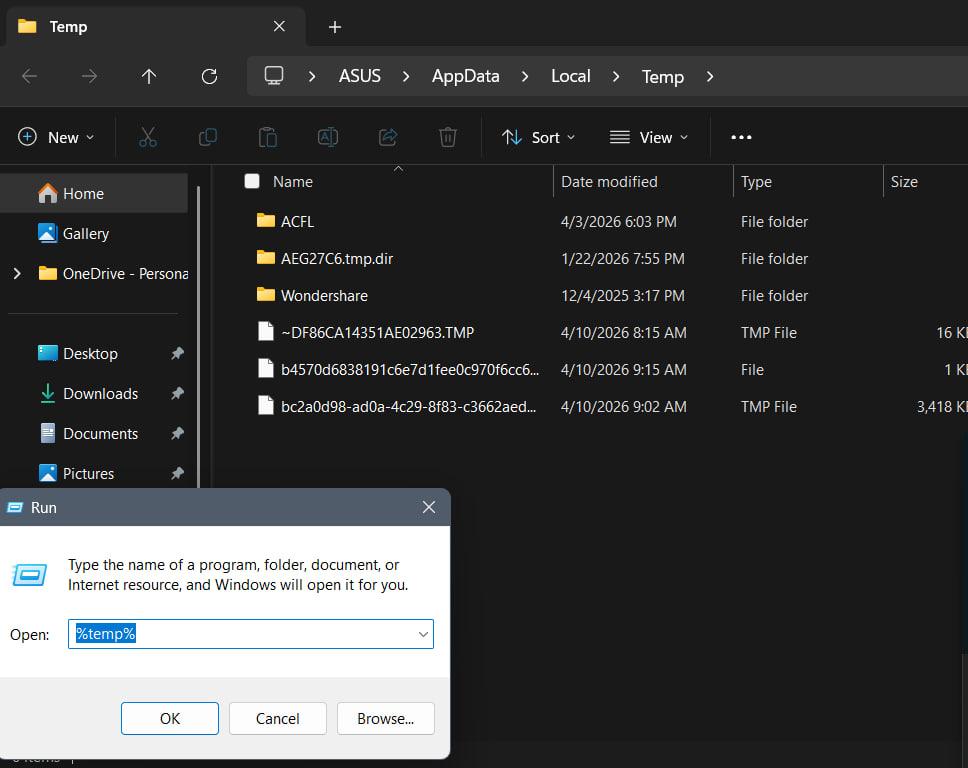
របៀបសំអាត file មិនសំខាន់ៗនៅក្នុង computer - Clean computer temp
ដោយ : Pich Yorn 5 months ago